
Private Hysteroscopy · Chelsea, London
Private Hysteroscopy
Consultant-led
Chelsea Clinic
A hysteroscopy lets your consultant see inside the womb, find what is causing heavy or unexpected bleeding, and treat it in the same appointment.
- Urgent appointments available, no GP referral needed
- Carried out by a consultant gynaecologist, never a junior doctor
- No cut, no stitches and no scarring
- Done awake in clinic, with anaesthetic options if you need them
- Self pay and all major insurers welcome
★★★★★
4.9/5 on  Google &
Trusted by women across London
Google & Trusted by women across London
Self Pay & Insurance Welcome






Understanding Hysteroscopy
What Is a Hysteroscopy?
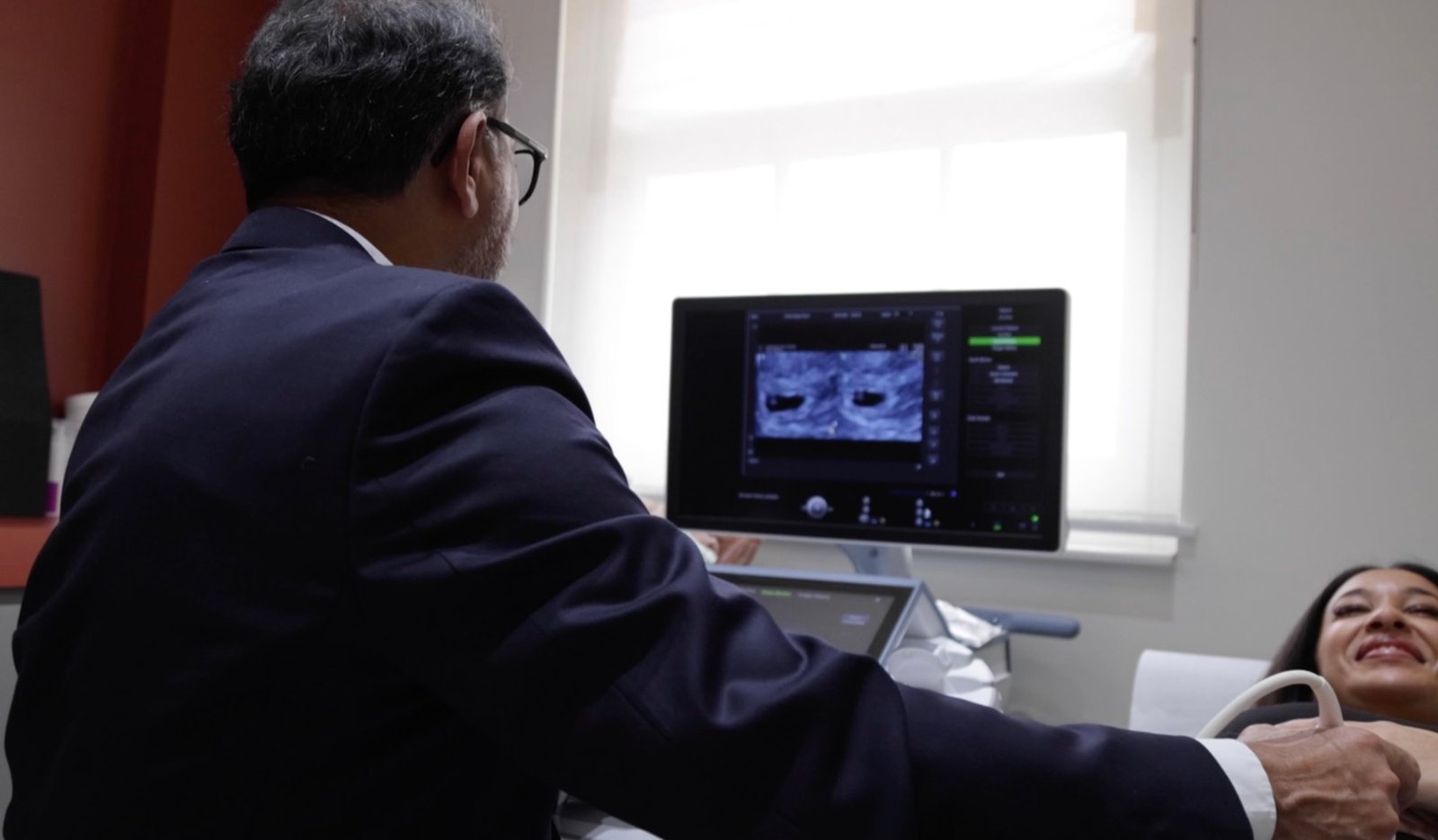
A hysteroscopy is a way of looking directly inside the womb. A very fine telescope, about the width of a drinking straw, is passed gently through the cervix so your consultant can see the lining of the womb on a screen. Nothing is cut and there are no stitches or scars.
An ultrasound scan shows the shape and outline of the womb. A hysteroscopy shows the surface itself, which is why it picks up polyps, small fibroids and changes in the lining that a scan can miss. Most usefully, if something is found it can very often be treated during the same procedure, so you get the answer and the treatment in one go rather than coming back twice.
Reasons Women Come to Us for a Hysteroscopy
If any of the following apply to you, a consultant assessment will tell you whether a hysteroscopy is the right next step:
- Heavy periods, flooding or passing clots
- Bleeding between periods or after sex
- Any bleeding after the menopause
- A polyp or fibroid seen on an ultrasound scan
- A thickened womb lining reported on a scan
- Difficulty conceiving, or recurrent miscarriage
- Irregular or unpredictable bleeding on HRT
- A coil that cannot be found or removed in the usual way
What It Finds
Conditions a Hysteroscopy Diagnoses
A hysteroscopy is the most reliable way of finding out what is happening inside the womb. These are the conditions our consultants see most often.
Very common
Endometrial Polyps
Small, soft growths on the lining of the womb. They are almost always benign, but they are a frequent cause of heavy, irregular or unexpected bleeding.
- Seen directly rather than guessed at from a scan
- Usually removed in the same procedure
- Sent for laboratory analysis afterwards
Inside the cavity
Submucosal Fibroids
Fibroids that sit within the cavity of the womb rather than in the muscle wall. These are the ones most likely to cause heavy bleeding and fertility problems.
- Size and position assessed precisely
- Many can be shaved away hysteroscopically
- No abdominal incision required
Heavy bleeding
Heavy Menstrual Bleeding
When periods are heavy enough to disrupt your life, a hysteroscopy identifies whether there is a structural cause and rules out problems with the lining.
- Structural causes found or excluded
- Lining sampled at the same time
- Treatment options discussed on the day
After the menopause
Post-Menopausal Bleeding
Any bleeding after the menopause should be checked promptly. Most causes turn out to be harmless, such as a polyp or thinning of the lining, but it needs looking at properly.
- Seen quickly, usually within 48 hours
- Scan, hysteroscopy and biopsy as needed
- Clear answers rather than watchful waiting
Fertility
Fertility & Recurrent Miscarriage
Scar tissue, adhesions or a dividing wall inside the womb can prevent an embryo implanting. These are only visible on hysteroscopy, and several can be corrected during it.
- Intrauterine adhesions and scarring
- Uterine septum and congenital differences
- Often done before starting IVF
Lining changes
Thickened or Abnormal Lining
Where a scan reports a thickened womb lining, a hysteroscopy with a biopsy tells you exactly what those cells are, rather than leaving you with an uncertain result.
- Targeted biopsy of the area of concern
- Endometrial hyperplasia identified
- Ongoing monitoring arranged where needed
Recognise any of these?
A consultant can tell you whether a hysteroscopy is the right next step, and you do not need a GP referral to ask.
Your Procedure
What Happens, Step by Step
Getting the diagnosis right matters, because stress incontinence, an overactive bladder and prolapse are treated very differently. Most of the assessment happens at your first visit.
01
Step one
Consultation & Scan
An unhurried appointment with a consultant gynaecologist covering your bleeding pattern, your history and your goals, usually with a pelvic ultrasound at the same visit.
02
Your choice
Your Comfort Options
Most hysteroscopies are done awake in clinic in a few minutes. Pain relief is discussed with you first, and a general anaesthetic can be arranged where it is clinically needed.
03
Before the day
Simple Preparation
For a hysteroscopy in clinic you can eat normally and take simple pain relief an hour beforehand. If an anaesthetic is planned you will be given clear fasting instructions.
04
The procedure
Looking Inside the Womb
A fine telescope is passed gently through the cervix and the lining is examined on a screen. It usually takes between 10 and 30 minutes, and you can watch if you want to.
05
Same procedure
Treatment If Needed
If a polyp, fibroid or area of scarring is found, it can very often be removed there and then, and a biopsy or coil fitted at the same time.
06
Afterwards
Findings & Follow-Up
Your consultant talks you through what was seen before you go home. Any laboratory results follow within about a week, with a follow-up appointment to go through them.
What Can Be Treated
Available treatments
A hysteroscopy is not only a way of looking. These are the treatments our consultants routinely carry out through the hysteroscope, avoiding a separate operation.
Polypectomy
Polyp Removal
Polyps are removed at the base with fine instruments passed down the hysteroscope. For many women this alone settles heavy or irregular bleeding.
- Removed under direct vision
- Sent for laboratory confirmation
- Home the same day
Myomectomy
Fibroid Resection
Fibroids sitting inside the cavity are shaved away in layers through the hysteroscope. No cut is made in the abdomen and the womb is left intact.
- Suitable for submucosal fibroids
- Fertility-preserving approach
- Larger fibroids may need staged treatment
Diagnosis
Targeted Endometrial Biopsy
Rather than a blind sample, the biopsy is taken from the exact area your consultant can see, which makes the result far more reliable.
- Taken from the area of concern
- Analysed by a specialist laboratory
- Results explained at your follow-up
Heavy bleeding
Endometrial Ablation
Where periods are heavy and your family is complete, the lining of the womb can be treated to reduce bleeding substantially, avoiding a hysterectomy.
- For women who have completed their family
- An alternative to major surgery
- Suitability assessed carefully first
Coil
Coil Fitting or Retrieval
A Mirena coil can be fitted at the end of the procedure to control heavy bleeding, and a coil that has become embedded or lost can be retrieved under direct vision.
- Mirena fitted during the same procedure
- Embedded or migrated coils retrieved
- No repeat appointment needed
Fertility
Adhesion & Septum Correction
Scar tissue inside the womb and a dividing septum can both be divided hysteroscopically, restoring a normal cavity before trying to conceive or starting IVF.
- Division of intrauterine adhesions
- Correction of a uterine septum
- Joined-up care with our fertility consultants
Recognise any of these?
A consultant can tell you whether a hysteroscopy is the right next step, and you do not need a GP referral to ask.
GMC Registered Consultants
CQC Regulated Clinic
All Major Insurers Accepted
274 Fulham Road, Chelsea
Consultant-Led Scanning
Transparent Pricing
Clear Prices, No Hidden Costs
You will always have a written quote before anything is booked. Your final fee depends on what your consultant finds and what is treated. If you are insured you will not pay these fees, and our reception team will check your cover with your insurer before you come in.
Initial Consultation
A full assessment of your bleeding and symptoms with a consultant gynaecologist, and a decision on whether a hysteroscopy is the right next step.
- With a GMC-registered consultant
- Full symptom and gynaecological history
- Clinical examination included
- Written care plan and next steps
£300
Consultation & Scan
The most complete first visit. A full consultation with a consultant plus a specialist pelvic ultrasound, so you leave knowing whether a hysteroscopy is needed and what it would involve.
- Initial consultation with a consultant
- Specialist pelvic ultrasound scan
- Polyps and fibroids identified on the day
- Immediate results and a clear plan
£475
Hysteroscopy Procedure
If you go ahead, the procedure is quoted to you in writing after your consultation, so you know the figure before you commit to anything.
- Carried out by a consultant gynaecologist
- Biopsy and polyp removal where needed
- Mirena coil fitted at the same time if needed
- Home the same day
from £2,160
Your Specialists
Meet Your Hysteroscopy Team
The consultant who sees you at your first appointment is the one who carries out your hysteroscopy and gives you your results. No handovers.

Mr Amer Raza
Founder & Consultant Gynaecologist
Founder of Ovara Health, with a long-standing specialist practice in hysteroscopic surgery, heavy menstrual bleeding, fibroids and abnormal bleeding after the menopause. GMC: 5205372

Mr Yemi Kuponiyi
Consultant Obstetrician & Gynaecologist
Consultant obstetrician and gynaecologist carrying out diagnostic and operative hysteroscopy, with a particular interest in heavy periods, polyps and fibroids affecting the cavity of the womb.
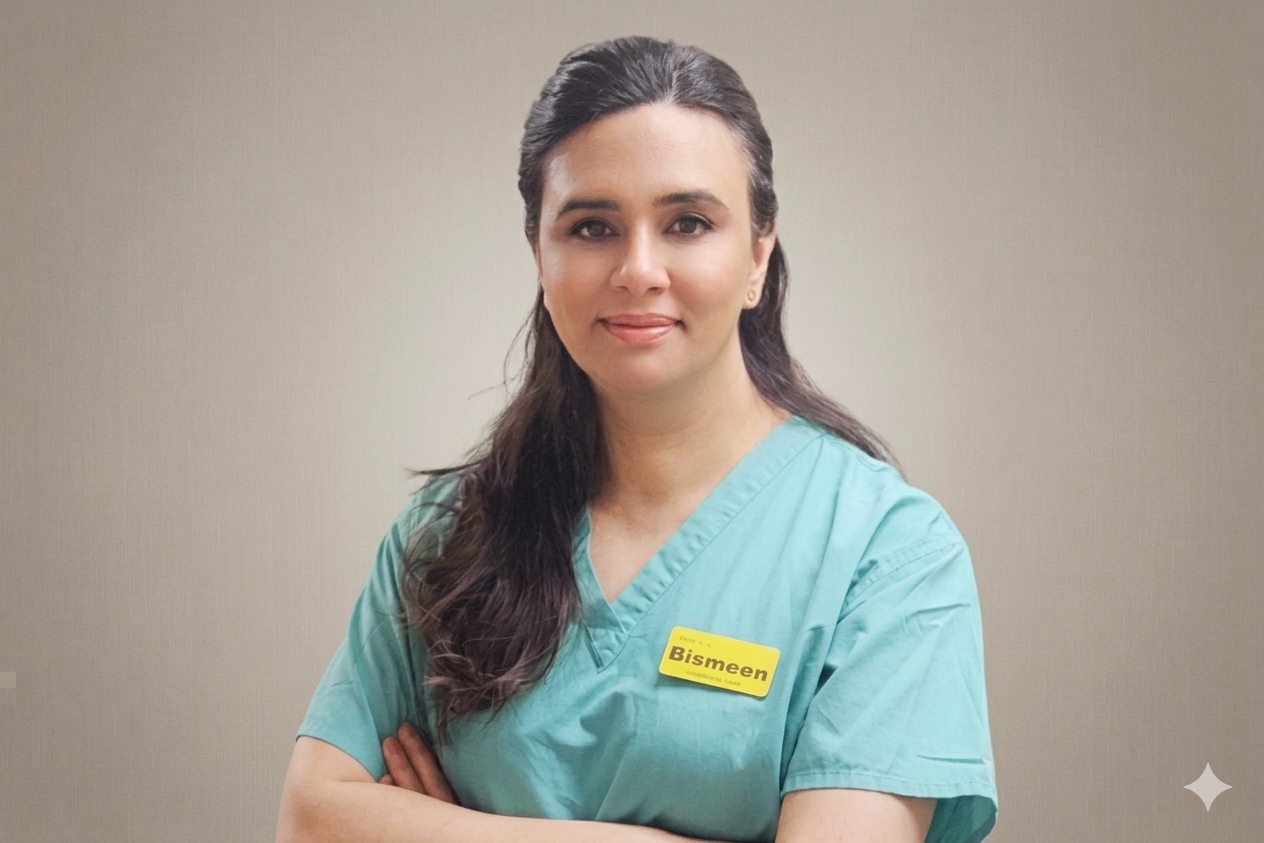
Dr Bismeen Jadoon
Consultant Obstetrician & Gynaecologist
Consultant obstetrician and gynaecologist with a specialist interest in abnormal uterine bleeding, fibroids and menopause, including hysteroscopic assessment and treatment of the womb lining.
Why Choose Ovara Health?
a
Consultants Only
Your hysteroscopy is carried out by an experienced consultant gynaecologist.
a
You Are In Control
Pain relief is discussed openly beforehand, you can ask questions throughout.
a
Urgent Appointments Available
No GP referral and no waiting lists – most patients are seen within days.
a
Everything Under One Roof
Consultation, ultrasound, hysteroscopy, biopsy and follow-up all happen in our Chelsea Clinic.
Recognise any of these?
A consultant can tell you whether a hysteroscopy is the right next step, and you do not need a GP referral to ask.
Your Questions
Frequently Asked Questions
What is a hysteroscopy?
A hysteroscopy is a procedure that lets a consultant look directly inside the womb using a very fine telescope passed through the cervix. It shows the lining of the womb on a screen, which is how polyps, fibroids inside the cavity, scar tissue and changes in the lining are found. There is no cut and no stitches. If something is found, it can usually be treated during the same procedure.
Is a hysteroscopy painful?
Most women describe period-type cramping rather than sharp pain, and it settles quickly. Everyone experiences it differently, so pain relief is discussed with you beforehand and options range from simple painkillers taken an hour before, to local anaesthetic, to a general anaesthetic. You can ask for the procedure to be paused or stopped at any point, and you never have to give a reason.
Do I need a GP referral for a private hysteroscopy?
No. You can book directly as a self-pay patient without a GP letter or referral. If your insurer requires a referral for pre-authorisation, our reception team can help you arrange that before your appointment.
How long does a hysteroscopy take?
The procedure itself usually takes between 10 and 30 minutes. If a polyp or fibroid is being removed it can take a little longer. Allow around two hours at the clinic in total, so there is time to settle in beforehand and recover afterwards. Allow longer if an anaesthetic is planned.
Will I be awake for the procedure?
Usually yes. Most hysteroscopies are carried out awake in clinic, which takes minutes, needs no fasting and lets you drive yourself home afterwards. Pain relief is discussed with you beforehand and ranges from simple painkillers to local anaesthetic. If you would find the procedure very difficult, or you need more extensive treatment such as removal of a larger fibroid, a general anaesthetic can be arranged. Your consultant will talk you through what suits your situation.
How long does it take to recover?
After a hysteroscopy in clinic most women go back to normal activities the same day or the next day. Expect some cramping and light spotting for a few days, which ordinary painkillers handle well. After a general anaesthetic you will need someone to take you home and should rest for the remainder of the day. Avoid tampons, swimming and sex for a week, or as advised by your consultant.
Can a polyp or fibroid be removed at the same time?
Yes, and this is one of the main advantages. Polyps are routinely removed during the same procedure, and fibroids sitting inside the cavity of the womb can often be shaved away hysteroscopically. Anything removed is sent to the laboratory for analysis. Larger fibroids occasionally need a separate planned procedure, which your consultant will discuss with you first.
I am bleeding after the menopause. Do I need a hysteroscopy?
Any bleeding after the menopause should be assessed promptly. It is usually investigated with an ultrasound scan first, and a hysteroscopy with a biopsy is often the next step so the lining can be seen and sampled directly. Most causes are not serious, commonly a polyp or thinning of the lining, but it is important to get a clear answer rather than wait and see. We can usually see you within 48 hours.
When will I get my results?
Your consultant will tell you what they saw before you leave, so you go home knowing the picture. Anything sent to the laboratory, such as a polyp or a biopsy, takes around a week, and you will have a follow-up appointment to go through those results properly and agree what happens next.
How much does a private hysteroscopy cost in London?
At Ovara Health in Chelsea, hysteroscopy fees start from £2,160. The final figure depends on what your consultant finds and treats during the procedure, so your exact fee is confirmed with the clinic before anything is booked. The initial consultation is £300, or £475 combined with a pelvic ultrasound, and follow-ups are £260. All major health insurers are accepted.
Find Us
Our Chelsea Clinic
Address
274 Fulham Road, Chelsea, London SW10 9EW
Phone
Opening Hours
Monday to Friday: 8am to 6.30pm
Saturday: 9am to 5pm
Sunday: Closed
Getting Here
Nearest tubes: Fulham Broadway (District) and South Kensington (District, Circle, Piccadilly). Street parking and buses available.

Book Your Appointment
Ready When You Are
Call us now, or leave your details and our reception team will call you back the same working day to confirm a time.
-
Call us020 7751 4488
Mon to Fri 8am to 6.30pm, Sat 9am to 5pm -
Email usreception@ovarahealth.co.uk
-
Visit us274 Fulham Road, Chelsea, London SW10 9EW
-
Insurance welcomeBupa, AXA, Aviva, Vitality, WPA, Cigna