
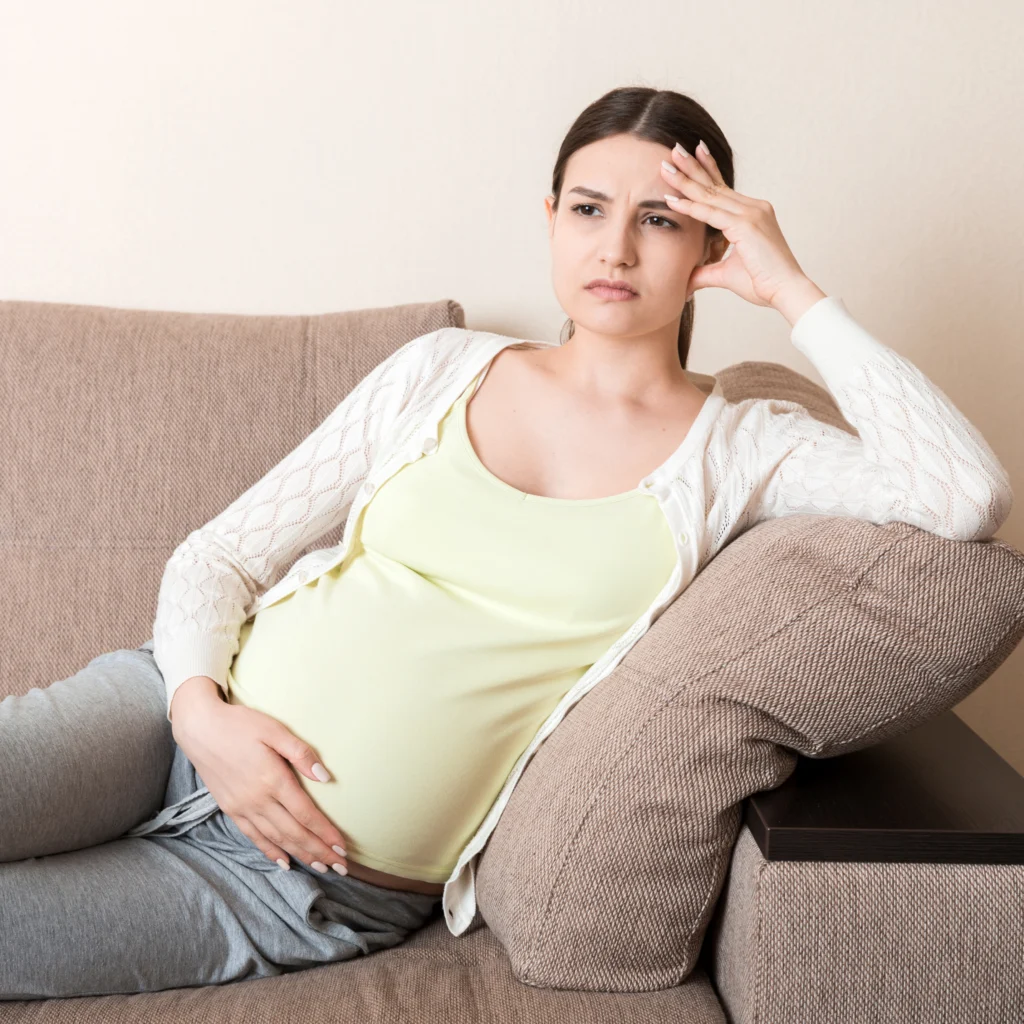

What are the common problems in pregnancy?
Pregnancy is one of the most special times in a woman’s life, though it can bring challenges along the way. Learning about common pregnancy problems helps women understand what feels normal and when to reach out for medical help. Some problems are minor and sort themselves out. Others need proper care from doctors.
What causes problems in pregnancy?
The body goes through massive changes during pregnancy. Hormones shift dramatically, blood flow doubles, and organs shuffle around to make room for the growing baby.
New health conditions sometimes pop up during pregnancy. High blood pressure, diabetes, or infections can appear even in women who felt perfectly healthy beforehand. Age, weight,and previous health issues can increase the likelihood of problems cropping up.Knowing what causes problems in pregnancy helps women take better care of themselves. Attending regular check-ups, eating well, getting enough sleep, and maintaining good hygiene prevents many issues.
Major problems during pregnancy
Not ready to book? Send us an enquiry instead
Most pregnancies go smoothly, but some women encounter health problems that need medical attention.
Here are some major problems during pregnancy:
- Pre-eclampsia – high blood pressure that brings swelling and pounding headaches
- Gestational diabetes – high blood sugar requiring dietary changes or medication
- Placenta praevia – when the placenta sits too low in the womb and can cause bleeding
- Preterm labour – contractions beginning before 37 weeks
- Anaemia – low iron levels that leave a woman feeling exhausted and weakThese conditions respond well to treatment when caught early.
What are the five warning signs of a possible pregnancy problem?
During pregnancy, any of these signs mean getting help immediately:
- Face, hands, or feet swelling up suddenly
- Headaches that are intense or will not go away
- Vision going blurry or seeing flashing lights
- Heavy bleeding or terrible belly pain
- Baby moving much less than normal
These are five warning signs of a possible problem. Never hesitate to contact our doctors or midwife about them.
Early pregnancy problems
During the first few months, the body is still getting used to being pregnant. Some early pregnancy problems like mild cramping, nausea, or a bit of spotting are fairly common and usually nothing to worry about.
However, some symptoms are more concerning:
- Ectopic pregnancy – when the baby starts growing outside the womb, causing sharp pain and bleeding
- Miscarriage – heavy bleeding combined with cramping before 12 weeks
- Severe morning sickness – vomiting so frequently it leads to dehydration
Seeing our doctor early helps catch serious problems before they escalate.
Pregnancy Problems in the Second Trimester
By the middle months, new discomforts often begin appearing. Common pregnancy problems in the 2nd trimester include:
- Back or pelvic pain from the body stretching
- Legs swelling up or varicose veins developing
- Mild anaemia setting in
- Urinary tract infections
More serious conditions like gestational diabetes or high blood pressure can also emerge during this period.
Around the five-month mark, women often ask what can go wrong at 5 months pregnant. Issues can include premature contractions, bleeding from a placenta positioned too low, or fluid leaking unexpectedly. Seeing our doctor promptly keeps both mother and baby safer.
Pregnancy Problems in the Third Trimester
The final months often feel exhausting. Pregnancy problems third trimester occur frequently because the baby grows rapidly and pushes against nearby organs.
Common complaints include:
- Breathing feeling harder or heartburn flaring up
- Legs or feet swelling noticeably
- Sleep becoming difficult
- Backache or pressure in the pelvis
Around seven months, some women experience 7 month pregnancy problems like early contractions or blood pressure rising. Consistent check-ups help ensure a safer delivery.
The 5-5-5 rule in Pregnancy
The 5-5-5 rule in pregnancy helps women recognise when labour is likely beginning.
Call our doctors when contractions:
- Last roughly 5 minutes each
- Arrive every 5 minutes
- Keep going for about 1 hour
This guideline helps mothers judge when to head to the hospital.
The rarest Pregnancy complication
Most pregnancy problems can be managed well, but the rarest pregnancy complication is something called amniotic fluid embolism. This occurs when fluid surrounding the baby gets into the mother’s bloodstream during labour. Extremely rare but incredibly serious, requiring immediate emergency treatment.
Other uncommon problems include molar pregnancy, where abnormal tissue develops instead of a baby, and twin-to-twin transfusion syndrome, which affects identical twins sharing a single placenta.
Pregnancy Problems and solutions
Every woman’s body responds differently to pregnancy. Thankfully, many pregnancy problems and solutions are quite simple. For instance:
- Nausea eases up by eating smaller meals throughout the day
- Gentle stretching or wearing a support belt relieves back pain
- Swelling decreases by resting with feet propped up
- Drinking enough water and cutting back on salt helps too
More complicated issues might require medication or closer monitoring by doctors, but most problems can be handled safely with appropriate care.
Emotional Health during Pregnancy
Emotional wellbeing matters every bit as much as physical health. Feeling anxious, moody, or completely worn out is normal during pregnancy. However, when these feelings hang around for weeks, speaking with a doctor, midwife, or counsellor really helps.Looking after emotional health makes pregnancy more enjoyable and safer for both mother and baby.
Preventing Pregnancy Problems
Prevention can start before pregnancy even begins. Eating nutritious meals, taking folic acid, and maintaining a healthy weight all reduce risks.Once pregnant, going to antenatal appointments, eating balanced meals, staying reasonably active, and steering clear of smoking or alcohol prevents most pregnancy problems.Paying attention to your body and mentioning any odd pain, bleeding, or changes in how the baby moves makes a significant difference.
When to Contact a Doctor
Contact our doctor or midwife right away if you experience:
- Bleeding at any point during pregnancy
- Intense pain or cramping
- Vision problems or facial swelling
- Baby suddenly moving far less than usual
Getting help quickly protects both mother and baby.
To book a visit or learn more about pregnancy, contact Ovara Health today.