
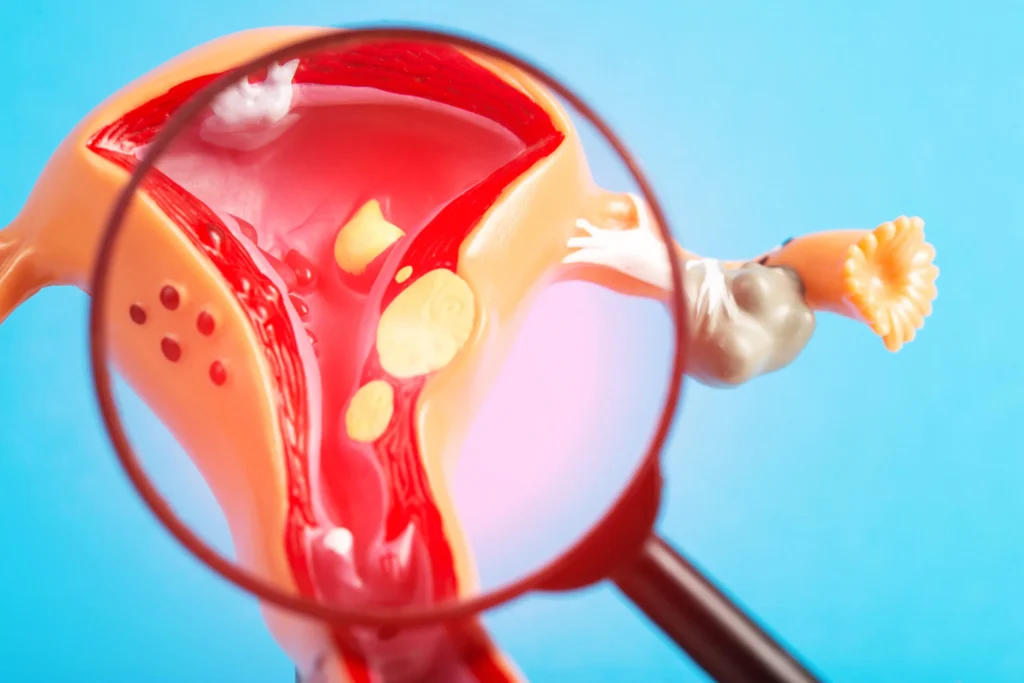
Fibroids treatment
Fibroids treatment focuses on reducing symptoms, managing fibroid growth, and improving quality of life based on individual needs. Treatment options vary depending on fibroid type, size, location, age, and whether symptoms are mild or severe. The right approach aims to control symptoms while preserving uterine health where possible
Fibroids are noncancerous growths of the uterus and are common during the reproductive years. While some fibroids cause no symptoms, others may lead to heavy bleeding, pain, pressure symptoms, or fertility concerns. Understanding treatment options helps women make informed decisions about their care.
Understanding treatment for fibroids
Treatment for fibroids depends on how the fibroids affect daily life. Some women require only monitoring, while others need active treatment to control bleeding, pain, or pressure symptoms. Decisions are guided by symptom severity, fibroid location, and future pregnancy plans.
Not all fibroids behave the same way. Submucosal, intramural, and subserosal fibroids can cause different symptoms and may respond differently to treatment. A tailored approach is essential rather than a onesizefitsall solution.
Medical treatment for fibroid
Medical treatment of fibroid aims to control symptoms rather than remove the fibroid completely. Hormonal treatments may help reduce heavy menstrual bleeding and pelvic discomfort. Medications can also be used to manage pain or regulate menstrual cycles.
Medical treatment is often considered when symptoms are moderate, when surgery is not preferred, or as a temporary option before other interventions. Regular followup is important to assess symptom control and fibroid response.
Fibroids treatment without surgery
Fibroids treatment without surgery is an option for women who wish to avoid operative procedures or are not suitable for surgery. Non-surgical approaches focus on symptom relief and may include medication, hormonal management, or minimally invasive techniques depending on individual circumstances.
These options can be effective for controlling bleeding and discomfort, especially when fibroids are smaller or symptoms are manageable. Ongoing monitoring helps ensure treatment remains effective over time.
Treatment for fibroids pressing on bladder
When fibroids grow large or are positioned near the bladder, treatment for fibroids pressing on bladder becomes necessary. These fibroids can cause frequent urination, difficulty emptying the bladder, or a constant feeling of pressure.
Treatment focuses on reducing fibroid size or relieving pressure on surrounding organs. The choice of treatment depends on the severity of symptoms and how much the fibroid is affecting bladder function.
Fibroids treatment after menopause
Fibroids treatment after menopause is approached differently, as fibroids often shrink when hormone levels fall. However, treatment may still be required if fibroids cause persistent pain, pressure symptoms, or unexpected bleeding.
Postmenopausal fibroids need careful assessment to rule out other causes of symptoms. Management decisions are based on symptom severity, fibroid behaviour, and overall health.
Submucosal fibroids treatment
Submucosal fibroids treatment focuses on fibroids that grow into the uterine cavity. These fibroids are commonly associated with heavy menstrual bleeding, prolonged periods, and fertility issues.
Treatment aims to address symptoms directly related to the uterine lining. Early management is important, as submucosal fibroids often have a greater impact on menstrual health than other fibroid types.
Intramural fibroids treatment
Intramural fibroids treatment is directed at fibroids located within the muscular wall of the uterus. These fibroids can cause heavy bleeding, pelvic pain, and a feeling of fullness or pressure.
Treatment depends on fibroid size and symptoms. Some intramural fibroids are monitored, while others require active management if symptoms interfere with daily life.
Subserosal fibroids treatment
Subserosal fibroids treatment focuses on fibroids that grow on the outer surface of the uterus. These fibroids may not cause heavy bleeding but can lead to pressure symptoms, abdominal discomfort, or back pain.
Management depends on how much the fibroid affects nearby organs. Treatment aims to relieve pressure and improve comfort rather than address menstrual symptoms.
When treatment becomes necessary?
Treatment becomes necessary when fibroids significantly affect quality of life. Symptoms such as heavy bleeding, pelvic pain, pressure on organs, or fertility concerns indicate the need for assessment. Regular monitoring helps identify changes early and guides timely intervention.
What happens when you have fibroids?
Fibroids can cause a range of symptoms depending on their size and location. Some women experience heavy periods, pelvic pain, pressure symptoms, or fertility issues, while others may have no symptoms at all.
Can fibroids cause cramps?
Yes, fibroids can cause cramps, particularly during menstruation. Cramping may result from uterine muscle contractions, increased bleeding, or pressure from fibroid growth within the uterus.
Can fibroids be cancerous
Fibroids are almost always non-cancerous. Cancerous changes are very rare. However, sudden growth or symptoms after menopause should always be assessed to rule out other conditions.
Fibroids can affect women in different ways, and treatment depends on symptoms, fibroid type, and individual health goals following assessment by our doctor. Understanding available options allows informed decisions and timely care, helping improve comfort and longterm wellbeing.