
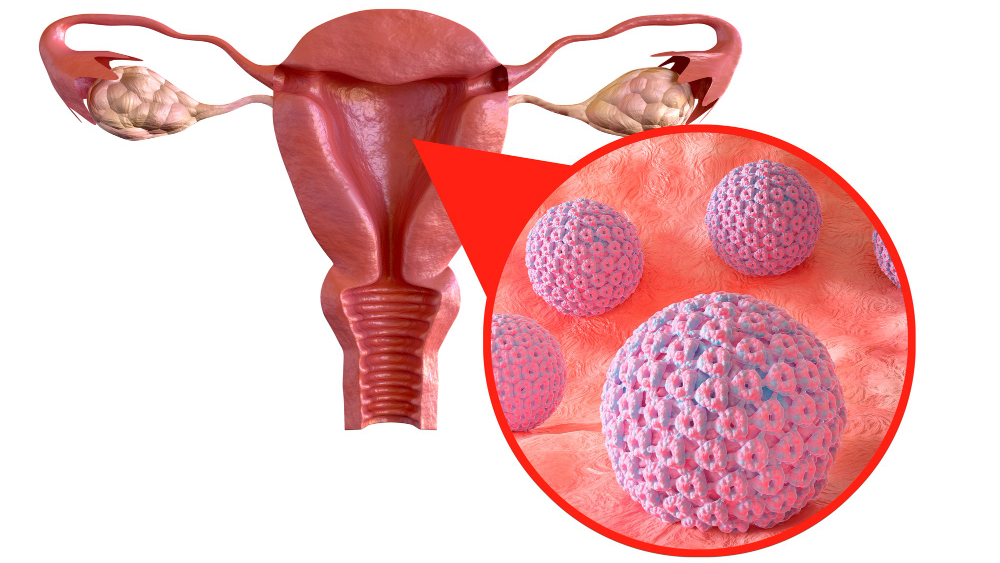
How to get rid of Human Papillomavirus
Getting rid of human papillomavirus usually depends on the body’s
immune system rather than medication. In most people, the immune system suppresses the virus naturally over time, making it inactive. There is currently no drug that directly removes HPV from the body, so management focuses on monitoring, screening and treating any changes caused by the virus. For the majority of individuals, HPV does not cause long-term problems once the immune system controls it.
How to get rid of HPV quickly
There is no guaranteed or medically proven way to get rid of HPV quickly. HPV clearance takes time because the immune system needs to recognise and suppress the virus. Maintaining good general health, avoiding smoking and attending recommended follow-up appointments can support immune function, but instant clearance is not possible. Any product or treatment claiming rapid elimination of HPV should be approached with caution.
Does Human papilloma virus go away
In most cases, human papilloma virus does go away on its own. The immune system usually suppresses the infection within one to two years. Once controlled, the virus becomes inactive and no longer causes cell changes or symptoms in many people. Some strains may remain dormant at very low levels, but this does not usually cause health problems.
How to treat Human Papillomavirus
Human papillomavirus is treated by managing its effects rather than curing the virus itself. Treatment may involve regular cervical screening, monitoring abnormal cell changes or removing visible warts if they develop. In cases where HPV causes changes to cervical cells, procedures may be recommended to prevent progression. The approach depends on individual test results and overall health.
Can HPV be cured
Most people effectively clear HPV through their own immune response. While there is no medication that cures HPV directly, the body’s natural defences usually suppress the virus without medical intervention. Supporting immune health and attending routine screening helps ensure that HPV-related changes are detected early and managed safely.
How can I help my body fight HPV
The body fights HPV best when overall health is well supported. Eating a balanced diet, getting adequate sleep, managing stress and avoiding smoking all help immune function. Following medical advice, attending screening appointments and addressing other health conditions also support the body’s ability to suppress the virus over time.
How to get rid of warts during pregnancy
Managing warts during pregnancy requires careful medical supervision. Hormonal changes can cause warts to grow or change, but many cases are monitored without treatment. If treatment is needed, it is chosen carefully to ensure safety for both mother and baby. Decisions are based on symptoms, comfort and clinical assessment rather than urgency to remove the virus.
How to prevent HPV
Preventing HPV involves a combination of vaccination, regular screening and safer intimate practices. The HPV vaccine provides strong protection against high-risk strains. Routine cervical screening helps detect HPV-related changes early, and maintaining good overall health reduces the likelihood of persistent infection.
Is HPV contagious
HPV is contagious and spreads through close skin-to-skin contact, including intimate contact. Transmission can occur even when no
symptoms or visible signs are present. Protective measures reduce the risk but cannot eliminate it completely, as HPV can affect areas not covered by protection. Awareness and regular health checks play an important role in managing transmission.
When should you see a doctor for HPV
Visit our doctor if HPV persists, it causes symptoms such as warts, or leads to abnormal screening results. Regular smear tests and follow-up appointments are essential to prevent long-term complications. Early medical guidance ensures HPV-related changes are managed safely and effectively.
If you are concerned about HPV, abnormal screening results or ongoing symptoms, Ovara Health provides expert assessment, cervical screening and personalised follow-up care.
Book an appointment now.