
Heavy bleeding periods treatment
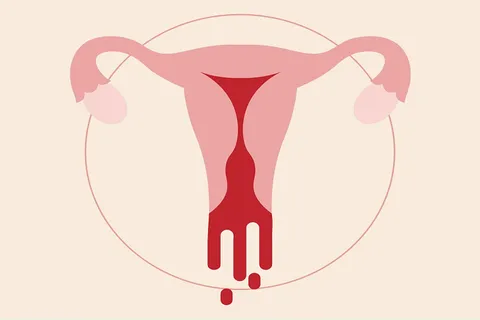
Heavy bleeding periods treatment focuses on identifying the underlying cause of excessive menstrual bleeding and providing appropriate medical care to control blood loss and improve quality of life. Treatment depends on age, symptom severity, duration and associated concerns such as clots or pain.
Heavy menstrual bleeding can affect daily activities, work, sleep and emotional wellbeing. Some women experience occasional heavy cycles while others notice persistent changes such as heavy periods lasting longer than usual or bleeding that interferes with normal routines. Understanding when bleeding is abnormal and when to seek medical assessment is essential.
What causes heavy periods
Understanding what causes heavy periods is the first step in managing them effectively. Heavy bleeding may result from hormonal imbalance, fibroids, polyps, adenomyosis, endometrial changes or thyroid disorders. In some cases stress or sudden hormonal fluctuations may also affect cycle patterns.
A proper medical evaluation helps determine whether bleeding is due to structural causes within the uterus or hormonal changes affecting the menstrual cycle. Identifying the cause allows targeted and appropriate management.
Heavy periods for 2 weeks
Experiencing heavy periods for 2 weeks is not considered normal and requires medical review. Prolonged bleeding may indicate hormonal disruption, uterine abnormalities or other underlying conditions.
Bleeding that continues beyond the usual menstrual duration can increase the risk of anaemia, fatigue and weakness. If bleeding persists or becomes heavier over time prompt assessment is recommended.
What to do with heavy periods
If you are unsure what to do with heavy periods the first step is monitoring symptoms. Keep track of cycle length, number of pads or tampons used, presence of clots and associated pain.
Medical consultation is advised when bleeding:
- Lasts more than seven days
- Requires changing protection frequently
- Causes fatigue or dizziness
- Interferes with daily activities
Early evaluation allows appropriate investigations and tailored management.
How to stop heavy periods
Many women search for how to stop heavy periods when bleeding disrupts normal life. Treatment depends on the cause and may include medication to regulate hormones, reduce blood loss or manage pain.
Medical therapy is often effective in reducing bleeding volume. In certain cases procedural or surgical options may be considered if conservative treatment does not provide relief.
How to stop heavy menstrual bleeding with clots
Large clots during menstruation can be concerning. Understanding how to stop heavy menstrual bleeding with clots involves addressing the reason behind excessive blood pooling and uterine contraction.
Clots often form when bleeding is heavier than usual and blood accumulates before being expelled. Management focuses on reducing bleeding volume and improving uterine regulation. Medical assessment is important when clots are frequent or accompanied by severe pain.
Why is my period so heavy this month
Many women ask why is my period so heavy this month especially when cycles were previously normal. Temporary hormonal fluctuations, stress, recent illness or medication changes may alter menstrual flow.
However a sudden change in bleeding pattern should not be ignored if it continues beyond one cycle. Persistent heavy bleeding warrants investigation to rule out structural or hormonal causes.
Heavy periods after 40 with clots
Experiencing heavy periods after 40 with clots is relatively common due to hormonal shifts during perimenopause. Oestrogen and progesterone fluctuations can lead to irregular cycles and heavier bleeding.
Although changes can be part of natural hormonal transition medical evaluation remains important to exclude fibroids, endometrial thickening or other conditions. Assessment ensures appropriate and safe management during this stage of life.
What is the best treatment for heavy periods
The best treatment depends on the underlying cause, age, reproductive plans and severity of symptoms. Some women respond well to hormonal medication while others may benefit from nonhormonal therapies or minimally invasive procedures. The most effective approach is personalised treatment guided by clinical assessment and investigation results.
Heavy menstrual bleeding can significantly affect physical and emotional wellbeing. Identifying the cause, monitoring symptoms carefully and seeking timely medical evaluation help ensure appropriate care. Effective management reduces blood loss, improves comfort and restores cycle control.
If you are experiencing heavy menstrual bleeding, prolonged cycles or clotting concerns you can book an appointment with our doctor at Ovara Health for personalised assessment and appropriate management.