
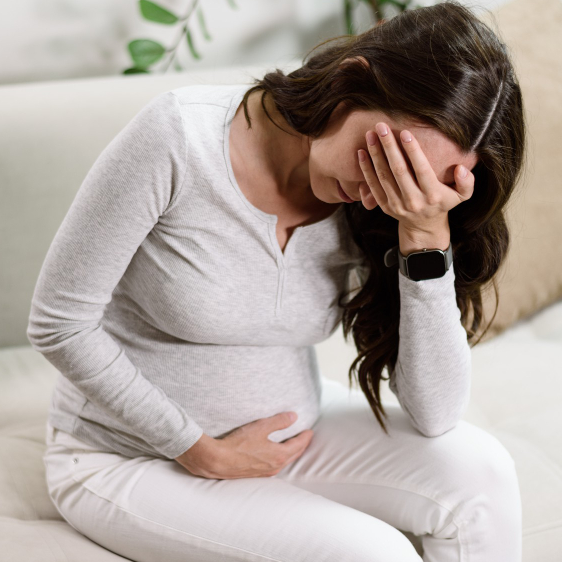

High Risk Pregnancy
A high risk pregnancy is one where the health or wellbeing of the mother, baby, or both requires extra attention and care. It does not mean that the pregnancy will have complications, but it does mean closer monitoring is needed to keep everything on track.
With expert medical support, most women with high-risk pregnancies go on to have healthy outcomes.
What is a High Risk Pregnancy?
So, what is a high risk pregnancy? It refers to a pregnancy where certain conditions or factors increase the likelihood of complications before, during, or after birth.
These factors may include maternal age, existing health conditions, or issues that develop during pregnancy.
Doctors use the term to ensure the mother receives the right level of care, more frequent check-ups, and sometimes specialist support.
List of High Risk Pregnancy Conditions
There are many factors that can make a pregnancy high-risk. The following is a list of high risk pregnancy conditions that doctors commonly monitor:
- High blood pressure or pre-eclampsia
- Diabetes (type 1, type 2, or gestational)
- Multiple pregnancy (twins or more)
- Placenta previa (low-lying placenta)
- Thyroid disorders
- Heart, kidney, or autoimmune disease
- Obesity or being underweight
- Previous preterm birth or miscarriage
Identifying these conditions early helps ensure timely medical intervention and better pregnancy outcomes.
What age is considered a High-Risk Pregnancy?
Maternal age plays a significant role in pregnancy health. The age for high risk pregnancy is generally considered below 18 and above 35.
Younger mothers may face challenges such as anaemia or premature birth, while older mothers may have a higher chance of complications such as gestational diabetes or chromosomal abnormalities.
However, with proper antenatal care, most women in these age groups have safe pregnancies and healthy babies.
What makes a High Risk Pregnancy?
Many factors can contribute to what makes a high risk pregnancy. Some women may have existing medical conditions before conception, while others develop issues during pregnancy.
Common causes include high blood pressure, diabetes, obesity, infections, or lifestyle factors such as smoking and alcohol use.
Family history, previous complicated pregnancies, and certain genetic conditions may also increase risk.
Understanding these causes helps in planning the right care and support from the start.
What qualifies as a High-Risk Pregnancy?
You might wonder, what qualifies as a high-risk pregnancy? Doctors use medical history, physical examinations, and test results to decide this.
A pregnancy is classified as high-risk if there is an increased chance of problems affecting the mother or baby.
This could be due to chronic illnesses, age, or complications such as preterm labour or restricted growth in the baby.
Once identified, regular monitoring and early interventions greatly reduce potential risks.
What are the Signs of an Unhealthy Pregnancy?
Knowing what are the signs of an unhealthy pregnancy helps women seek medical help early.
Warning signs include:
- Persistent abdominal pain or severe cramps
- Vaginal bleeding or fluid leakage
- Severe headaches, dizziness, or blurred vision
- Reduced baby movement in later stages
- Swelling in the hands, feet, or face
- Sudden shortness of breath or chest pain
If any of these occur, medical advice should be sought immediately. Early response often prevents complications.
How do you cope with a High-Risk Pregnancy?
Managing and understanding how do you cope with a high-risk pregnancy involves both medical and emotional support.
Regular antenatal appointments, scans, and blood tests help monitor your health and the baby’s growth.
Eating a balanced diet, getting adequate rest, and following medical guidance all play an important role.
Emotional wellbeing is equally important talking with healthcare professionals, joining support groups, or seeking counselling can ease anxiety.
With the right care and lifestyle adjustments, many women have positive pregnancy experiences, even when considered high-risk.
If you have been told your pregnancy may be high-risk, or if you simply want more reassurance, Ovara Health offers expert care and support every step of the way.
Our specialists provide comprehensive monitoring, clear guidance, and personalised plans to ensure the safest possible pregnancy journey.
Book a consultation with Ovara Health today for compassionate, expert maternity care.