
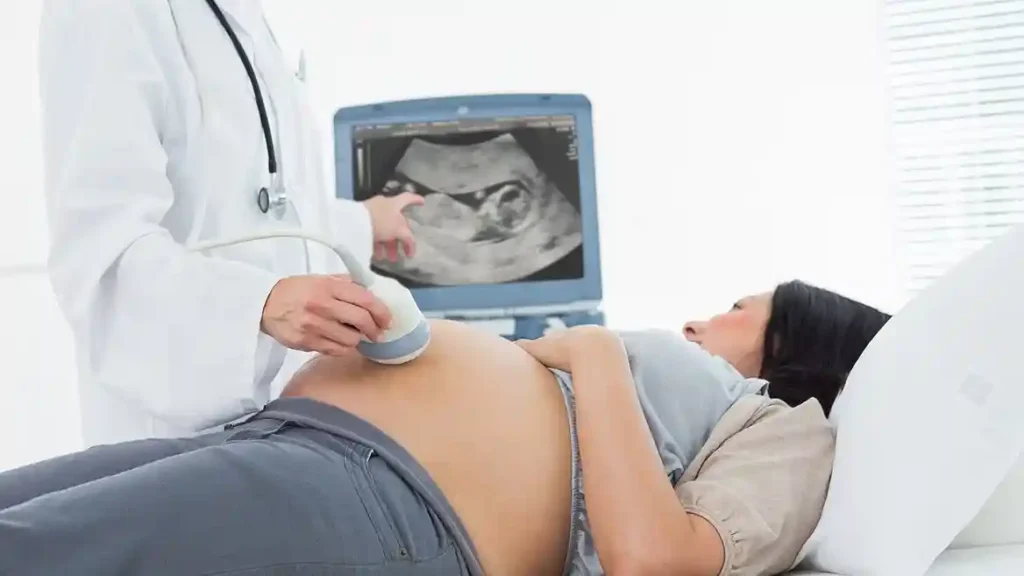
How a Growth Scan in Pregnancy Monitors Baby Development

Growth scan in pregnancy
A growth scan in pregnancy is an ultrasound performed in the second half of pregnancy to assess the baby’s size, development and overall wellbeing. It measures key fetal parameters, checks amniotic fluid levels and evaluates placental function. This scan helps ensure the baby is growing appropriately and receiving adequate support inside the womb.
Unlike early scans that confirm viability and dating, this examination focuses on monitoring fetal growth over time. It is particularly important when there are risk factors such as high blood pressure, gestational diabetes, reduced fetal movements or previous pregnancy complications.
When should you perform a growth scan
A growth scan is usually performed when there are clinical concerns about the baby’s growth or the mother’s health. It is commonly recommended in the third trimester, particularly if routine measurements suggest the baby may be smaller or larger than expected for gestational age.
A scan may be advised if there is reduced fetal movement, high blood pressure, gestational diabetes, previous growth restriction, twin pregnancy or concerns raised during routine antenatal appointments. It may also be performed if the uterus measures differently from expected on physical examination. The purpose is to assess fetal size, amniotic fluid and placental function to guide further monitoring or delivery planning.
What does a growth scan in third trimester indicate
In the later stages of pregnancy, the scan indicates whether the baby is growing consistently and whether the placenta is functioning adequately. It helps identify fetal growth restriction, excessive growth, low amniotic fluid or signs of placental insufficiency.
During the third trimester, doctors assess estimated fetal weight, blood flow through the umbilical cord and amniotic fluid levels. These findings help determine whether the pregnancy can continue with routine monitoring or whether closer observation or earlier delivery may be necessary. The scan provides reassurance when growth is appropriate and allows timely intervention if concerns are identified.
Why is a growth scan performed during pregnancy
A growth scan during pregnancy involves measuring the baby’s head circumference, abdominal circumference and femur length. These measurements are used to estimate fetal weight and plotted on a growth chart.
The scan also assesses:
- Placental position and appearance
- Amniotic fluid volume
- Umbilical cord blood flow
- Fetal movements and breathing activity
The findings are documented in a growth scan report and the growth scan results are interpreted in relation to gestational age and clinical context.
In which month of pregnancy is a growth scan done
Many women ask in which month of pregnancy is a growth scan done. Growth scans are usually performed during the third trimester, starting around the seventh month. However, in some cases earlier monitoring begins in the late second trimester.
The timing depends on maternal health, previous obstetric history and clinical findings during routine antenatal visits.
Growth scan weeks and what happens at each stage
Understanding growth scan weeks helps clarify why repeated scans may be recommended.
24 to 28 weeks
A growth scan 24 weeks may be advised in selected cases where early monitoring is required. At this stage the focus is on establishing a growth baseline. Measurements are taken to confirm that fetal size matches gestational age.
Between 24 and 28 weeks doctors assess:
- Early signs of growth restriction
- Placental function
- Amniotic fluid levels
A growth scan 28 weeks is more common, particularly in high risk pregnancies. At 28 weeks fetal weight estimation becomes more reliable. This stage helps detect babies who are measuring smaller or larger than expected.
28 to 32 weeks
During this period a growth scan 32 weeks is often scheduled if concerns exist. The baby’s weight gain pattern is carefully monitored.
Between 28 and 32 weeks clinicians look for:
- Consistent growth along centile charts
- Signs of placental insufficiency
- Adequate blood flow in Doppler studies
If growth scan results show deviation from expected growth patterns, more frequent monitoring may be recommended.
32 to 36 weeks
This is a crucial phase of fetal development. A growth scan 36 weeks provides important information about estimated birth weight and readiness for delivery.
Between 32 and 36 weeks the scan evaluates:
- Fetal growth progression
- Amniotic fluid stability
- Placental maturity
- Fetal position
At this stage abnormal findings may influence delivery planning.
36 to 38 weeks
A growth scan 38 weeks may be advised if there are concerns about reduced movements, diabetes or blood pressure disorders.
Between 36 and 38 weeks the focus shifts to:
- Ensuring continued adequate growth
- Monitoring placental blood flow
- Confirming head down position
This stage helps determine whether labour can proceed naturally or whether earlier intervention may be required.
38 to 40 weeks
A growth scan 40 weeks is sometimes performed if pregnancy continues beyond the due date. This helps assess whether the placenta is still functioning efficiently.
Between 38 and 40 weeks doctors monitor:
- Signs of placental ageing
- Fetal wellbeing
If fluid levels decrease or blood flow changes are detected, induction of labour may be considered.
It indicates whether the baby is growing steadily and receiving sufficient nutrients and oxygen from the placenta.
The scan can identify:
- Fetal growth restriction
- Excessive growth
- Reduced amniotic fluid
- Placental dysfunction
These findings help guide decisions regarding monitoring frequency and delivery timing.
Growth scan accuracy
Growth scan accuracy is generally reliable when performed by experienced professionals. However, it is important to understand that estimated fetal weight is calculated using measurements and there is a recognised margin of error.
The value lies in tracking growth trends over time rather than relying on a single measurement.
How long does a growth scan take
Many patients ask how long does a growth scan take. The scan usually lasts between 20 and 30 minutes. The duration may vary depending on fetal position and whether Doppler studies are required.
What can you expect in a growth scan
If you are wondering what can you expect in a growth scan, the procedure is similar to other pregnancy ultrasounds. Gel is applied to the abdomen and a probe is moved across the skin to capture images.
The sonographer takes measurements, checks fluid levels and may assess blood flow. The examination is non invasive and safe for both mother and baby.
After completion findings are recorded in the growth scan report and discussed with you.
Understanding growth scan results
Growth scan results are interpreted alongside clinical findings. A baby measuring slightly above or below average is not automatically a cause for concern.
Doctors look at:
- Growth pattern over time
- Maternal health conditions
This comprehensive interpretation ensures balanced decision making.
A growth scan plays an important role in monitoring fetal development during the later stages of pregnancy. By assessing fetal size, amniotic fluid and placental function at different growth scan weeks, our doctors can detect concerns early and guide safe management. While growth scan accuracy has natural limitations, it remains a vital component of modern antenatal care.
If you require monitoring for fetal growth or would like reassurance about your baby’s development, you can book an appointment at Ovara Health for comprehensive pregnancy assessment and personalised care.