
What to Know About Follicle Tracking When Trying to Conceive

How Follicle Tracking Helps Monitor Ovulation and Fertility
Follicle tracking is an ultrasound monitoring method used to observe the growth of ovarian follicles during the menstrual cycle. It helps doctors determine when ovulation will occur and identify the most fertile window for conception. A follicle tracking scan measures follicle development in the ovaries and guides fertility treatment or pregnancy planning.
This monitoring is commonly recommended for individuals trying to conceive, those undergoing fertility treatment or patients who need evaluation of ovulation patterns. By performing regular scans during the cycle, doctors can determine whether ovulation is happening at the expected time and whether the reproductive system is functioning properly.
Understanding follicle tracking helps patients know how doctors assess ovulation and guide fertility treatment safely and effectively.
How Does Follicle Tracking Work
Follicle tracking works by monitoring the development of ovarian follicles during the menstrual cycle using ultrasound imaging. Each follicle contains a developing egg and these follicles grow gradually under the influence of reproductive hormones.
At the start of the menstrual cycle the pituitary gland releases hormones that stimulate the ovaries to begin follicle development. Several follicles may start growing during the early stage of the cycle. However usually one follicle becomes dominant and continues developing while the others stop growing.
During this stage doctors perform follicle monitoring to observe how these follicles are progressing. A follicular tracking test uses ultrasound scans to measure follicle size and evaluate the uterine lining. These measurements help doctors determine whether ovulation is approaching.
As the dominant follicle grows it eventually reaches a size that indicates ovulation readiness. Once the follicle ruptures and releases the egg ovulation occurs. Monitoring this process helps doctors understand whether ovulation is happening normally or whether additional fertility treatment may be required.
Follicle Tracking Scan
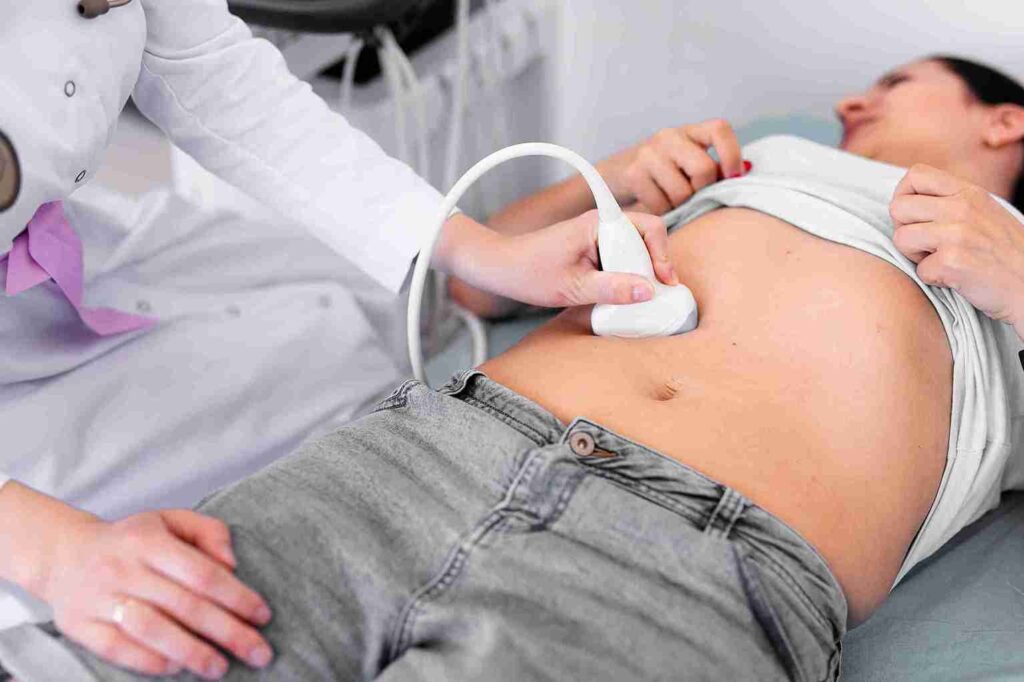
A follicle tracking scan is an ultrasound examination used to observe follicle development inside the ovaries. The scan allows doctors to visualise the ovaries and measure the size of developing follicles during the menstrual cycle.
This scan is usually performed using transvaginal ultrasound which provides a clearer image of the ovaries and uterus. During the scan the doctor identifies the follicles and measures their diameter. These measurements help track follicle growth over several days.
Each visit allows the doctor to compare the previous measurements with the current follicle size. This helps determine whether the follicle is growing normally and whether ovulation is likely to occur soon.
In addition to measuring follicle size the scan also evaluates the thickness of the uterine lining. A healthy uterine lining is necessary for implantation if fertilisation occurs.
Because ovulation timing is critical for fertility treatment repeated follicle tracking scans are performed throughout the cycle until ovulation is confirmed.
Follicle Tracking Procedure
The follicle tracking procedure is a simple imaging examination performed in a fertility clinic or gynaecology practice. The procedure usually takes only a few minutes and does not require anaesthesia.
During the appointment the patient lies comfortably while the doctor performs a transvaginal ultrasound scan. A small ultrasound probe is gently inserted into the vagina to obtain detailed images of the ovaries and uterus.
The doctor then examines the ovaries to identify developing follicles and measures their size. These measurements are recorded and compared with previous scans to monitor growth patterns.
Patients may need to return for several scans during the same cycle. Each scan provides additional information about follicle development and ovulation timing.
The follicle tracking procedure is generally well tolerated and does not cause significant discomfort. Most patients can resume normal activities immediately after the scan.
Follicular Tracking Days
Follicular tracking days refer to the specific days during the menstrual cycle when ultrasound scans are performed to monitor follicle growth.
Monitoring usually begins early in the cycle often around day 9 or day 10 depending on the length of the menstrual cycle. At this stage the follicles are still small but can be identified during ultrasound imaging.
Once monitoring begins scans are usually performed every one to three days. The purpose of these visits is to observe how quickly the follicles are growing and determine when ovulation is approaching.
As the cycle progresses one follicle becomes dominant and grows more rapidly than the others. Doctors continue scanning until the follicle reaches the appropriate size for ovulation.
The timing of follicular tracking days may vary depending on the patients menstrual cycle hormonal status and fertility treatment plan.
Follicle Tracking Size
Follicle tracking size refers to the measurement of follicles during ultrasound scans. Measuring follicle size is one of the most important aspects of follicle monitoring because it helps doctors determine when ovulation is likely to occur.
In the early stages of the cycle follicles are usually small and measure only a few millimetres. As the cycle progresses the dominant follicle gradually increases in size.
Typically a follicle grows approximately one to two millimetres per day during the later stage of development. When the follicle reaches a diameter of around 18 to 24 millimetres it is usually considered mature and ready for ovulation.
Doctors use follicle tracking size measurements to determine the best timing for fertility treatments such as timed intercourse, intrauterine insemination or egg retrieval during IVF.
Monitoring follicle size also helps identify abnormal patterns of follicle growth which may indicate ovulation disorders or hormonal imbalance.
Follicle Tracking When Trying to Conceive
Follicle tracking when trying to conceive helps identify the most fertile period of the menstrual cycle. Because pregnancy can occur only when ovulation takes place knowing exactly when the egg is released is extremely important.
Without monitoring ovulation timing can be difficult to predict especially for individuals with irregular menstrual cycles. Follicle tracking provides accurate information about when ovulation is approaching.
Doctors use the scan results to advise couples on the best time for intercourse or fertility treatment. This approach increases the chances of fertilisation because sperm are present in the reproductive tract at the correct time.
Follicle tracking is often recommended for couples who have been trying to conceive without success, individuals undergoing ovulation induction treatment and patients preparing for assisted reproductive procedures such as IUI or IVF.
By identifying the fertile window precisely follicle tracking improves the chances of achieving pregnancy.
Follicular Tracking Report
A follicular tracking report summarises the findings from ultrasound scans performed during the menstrual cycle. This report provides important information that helps doctors understand follicle development and ovulation timing.
The report usually includes the number of follicles present in each ovary and the size of the dominant follicle. Measurements of the uterine lining are also recorded because the lining must be thick enough to support implantation.
Doctors analyse the follicular tracking report to determine whether follicles are growing at the expected rate and whether ovulation is likely to occur soon.
In some cases the report may indicate delayed follicle growth or absence of a dominant follicle. These findings help doctors decide whether additional treatment or monitoring is required.
Understanding the follicular tracking report allows doctors to guide fertility treatment more accurately and improve reproductive outcomes.
What does follicle tracking do?
Follicle tracking helps doctors monitor the growth and development of ovarian follicles during the menstrual cycle. By measuring follicle size and observing changes over time doctors can determine when ovulation will occur and identify the most fertile period for conception.
When should I start doing follicle tracking?
Follicle tracking usually begins during the early phase of the menstrual cycle often around day 9 or day 10. The exact timing depends on the length of the menstrual cycle and the patients fertility treatment plan. Doctors schedule scans at regular intervals until ovulation occurs.
Is follicular tracking painful?
Follicular tracking is generally not painful. The ultrasound scans used for monitoring are minimally invasive and usually well tolerated. Some patients may experience mild discomfort during transvaginal ultrasound but the procedure is quick and safe.
What is the next step after follicular tracking?
The next step after follicular tracking depends on the scan results. If ovulation is approaching doctors may advise timed intercourse or fertility treatments such as IUI. In assisted reproductive procedures like IVF egg retrieval may be scheduled once follicles reach the appropriate size.
If you are trying to conceive or want to understand your ovulation cycle better, a follicle tracking scan can help monitor follicle development and identify your most fertile days. Book an appointment with a doctor at Ovara Health for personalised fertility assessment and guidance.